What Dentists Don’t Tell You About Wisdom Tooth Surgery
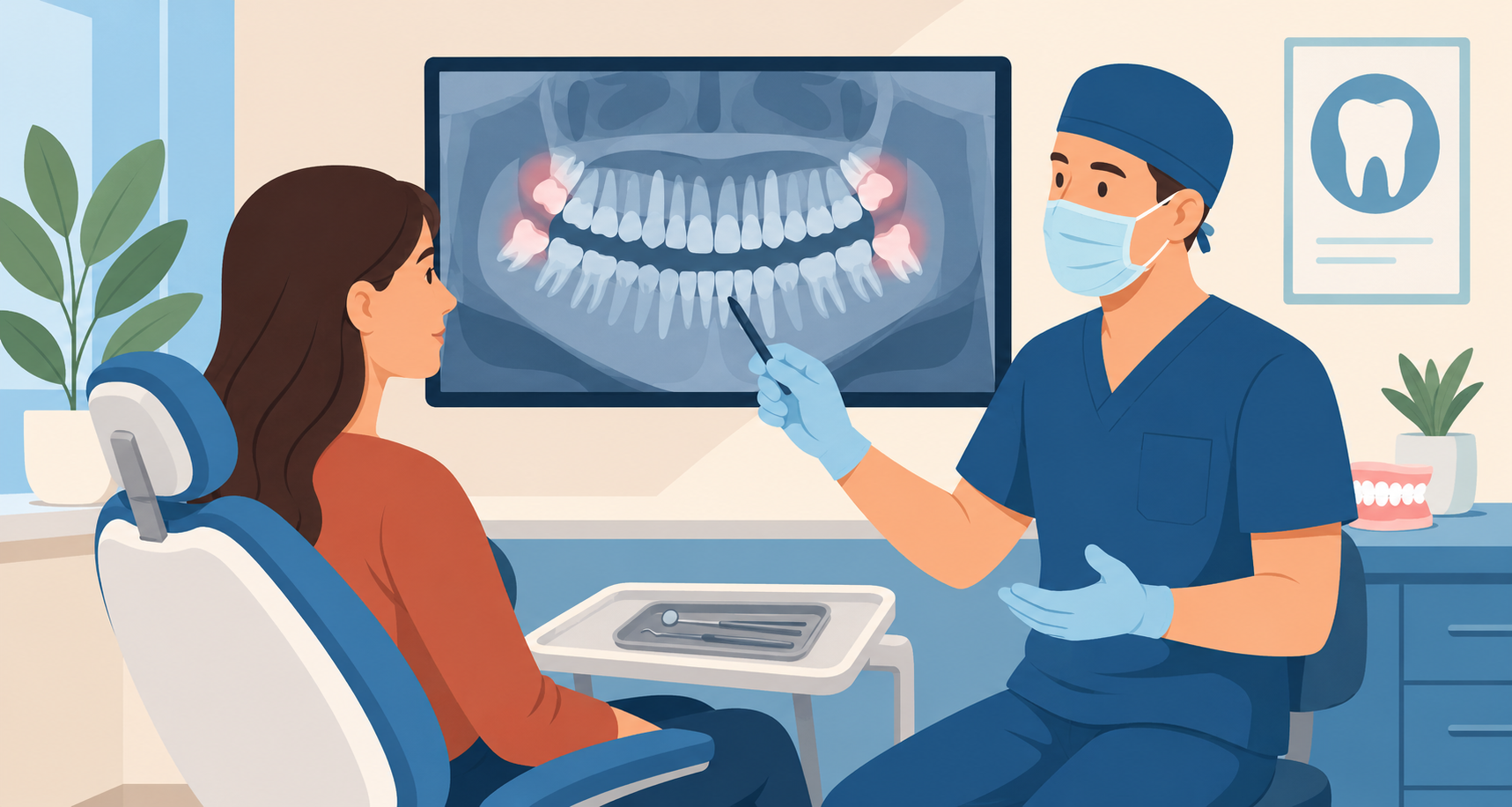
Wisdom tooth removal is one of the most common oral surgeries, yet many patients still walk into the procedure with incomplete expectations. While dentists explain the basics—what will happen, how long it takes, and what recovery looks like—there are important details that often don’t get discussed in depth.
These “missing pieces” are not meant to alarm you. Instead, they help you understand the full picture so you can prepare properly, recover faster, and avoid complications that could have been prevented with the right information.
Below is a clear, honest breakdown of what dentists don’t always tell you about wisdom tooth surgery—and what you should know before scheduling the procedure.
The truth about wisdom tooth removal isn’t just about pain
Most patients assume wisdom tooth surgery is only about removing a problematic tooth and managing short-term discomfort. In reality, the experience is more layered. Factors like nerve proximity, healing habits, anesthesia options, and aftercare decisions can significantly affect your outcome.
What many people don’t realize is that the difficulty of the procedure varies widely. Some extractions are simple, while others involve impacted teeth sitting close to nerves or sinuses. That difference can influence everything from recovery time to long-term sensitivity.
Understanding these variables ahead of time helps you avoid surprises and make more informed decisions about your care.
Not all wisdom tooth surgeries are the same
One of the most overlooked truths is that wisdom tooth extraction is not a “one-size-fits-all” procedure. Some teeth erupt normally and can be removed quickly. Others remain trapped beneath the gums or bone, requiring surgical extraction.
The more complex cases often involve:
- Deep impaction in the jawbone
- Angled or sideways tooth growth
- Proximity to nerves or sinus cavities
When these factors are present, recovery can take longer and post-operative symptoms may be more noticeable. This is why a proper evaluation is critical before scheduling surgery.
In some cases, sedation may be recommended to improve comfort during the procedure. Options like sleep dentistry can make a significant difference for patients with anxiety or complex extractions.
The risk of nerve sensitivity is real but often minimized
One topic that is sometimes mentioned briefly but not fully explained is nerve involvement. Wisdom teeth, especially lower ones, can sit very close to the inferior alveolar nerve. When this happens, there is a small but real risk of temporary or, in rare cases, long-term numbness or tingling.
This doesn’t mean complications are common, but it does mean the risk should be understood clearly before surgery. Dentists typically assess this using X-rays or 3D imaging to determine how close the roots are to the nerve pathway.
For a deeper understanding of this risk, patients often benefit from reading about nerve damage risks, which explains how it occurs and what recovery typically looks like if it happens.
Being informed allows you to ask better questions and understand why certain surgical approaches are recommended.
Ignoring early pain can make surgery more complicated
Wisdom tooth discomfort often starts mildly—slight pressure, occasional swelling, or tenderness at the back of the mouth. Many patients delay treatment at this stage, assuming it will resolve on its own.
However, postponing evaluation can lead to complications such as infection, cyst formation, or damage to neighboring teeth. When this happens, surgery becomes more complex than it needed to be initially.
There is also a tendency for patients to normalize recurring pain, especially when it comes and goes. Unfortunately, intermittent symptoms are often a sign of underlying impaction.
Understanding the hidden dangers of delaying treatment helps prevent long-term oral health issues and more difficult surgical procedures later.
Anesthesia choices impact your entire experience
Many patients assume wisdom tooth removal is always done the same way, but anesthesia options vary based on the complexity of the procedure and patient comfort level.
Local anesthesia is common for simpler extractions, while sedation or general anesthesia may be used for impacted or multiple removals. What is not always explained clearly is how significantly sedation can affect your experience—not just during the procedure but also your perception of stress and discomfort afterward.
Recovery is more influenced by your habits than you think
One of the most underestimated aspects of wisdom tooth surgery is how much patient behavior affects healing. Even when the procedure goes perfectly, recovery can be delayed by everyday habits.
Smoking, for example, significantly slows down healing and increases the risk of complications such as dry socket. The suction motion and chemicals in tobacco interfere with blood clot formation, which is essential for proper recovery.
Hydration, diet choices, and rest also play a major role in how quickly your mouth heals.
Nighttime pain is more common than expected
Another detail patients are rarely prepared for is how discomfort often intensifies at night. When you lie down, blood flow increases to the head, which can heighten sensitivity and throbbing around the surgical site.
This is why many people report that pain feels more noticeable at night, even if it is manageable during the day. It can disrupt sleep and make recovery feel more difficult than expected.
Sedation dentistry can change your entire perception of surgery
Fear is one of the biggest reasons patients delay wisdom tooth removal. What is often not emphasized enough is that modern sedation techniques can make the entire process feel far less intimidating.
With sedation, patients remain relaxed and often have little to no memory of the procedure itself. This can be especially helpful for individuals undergoing multiple extractions or those with dental anxiety.
Beyond comfort, sedation also helps the surgeon work more efficiently in complex cases, which may contribute to smoother outcomes overall.
What recovery really looks like day by day
Most dentists provide general aftercare instructions, but patients often underestimate how recovery progresses.
In the first 24–72 hours, swelling and mild bleeding are normal. By day three or four, swelling typically peaks before gradually improving. Most patients return to normal routines within a week, although full healing of the bone and gum tissue takes longer.
Soft foods, rest, and proper oral hygiene are essential during this time. Avoiding straws and smoking is critical, as both can disrupt healing and lead to complications.
Recovery is not just about time—it’s about consistency in following aftercare instructions.
Why follow-up care matters more than people realize
Another overlooked aspect of wisdom tooth surgery is follow-up care. Many patients assume the process ends once the tooth is removed, but check-ups are essential for ensuring proper healing.
Follow-up visits allow your dentist to monitor for infection, dry socket, or delayed healing. They also provide an opportunity to address any lingering discomfort or concerns.
Skipping follow-ups can lead to unnoticed complications that become more difficult to treat later.
When wisdom tooth removal becomes urgent
While some wisdom teeth can be monitored over time, others require immediate attention. Signs of infection, severe swelling, difficulty opening the mouth, or persistent pain should not be ignored.
In these cases, delaying treatment can increase risks and extend recovery time. Early intervention is often the simplest and most effective approach.
If you are experiencing recurring discomfort, scheduling an evaluation is the safest next step.
FAQ: Wisdom Tooth Surgery
Is wisdom tooth removal painful?
The procedure itself is not painful due to anesthesia. Discomfort usually happens during recovery and is manageable with medication and proper care.
How long does recovery take?
Most patients recover within 7–10 days for daily activities, but complete healing can take several weeks.
Can I go back to work after surgery?
Many people return to work within 2–3 days, depending on the complexity of the extraction and their comfort level.
What is the biggest risk after surgery?
One of the most common complications is dry socket, which occurs when the protective blood clot is dislodged too early.
Do all wisdom teeth need to be removed?
No. Some wisdom teeth grow in properly and do not cause problems, but regular monitoring is still recommended.
Final thoughts
Wisdom tooth surgery is more than a routine dental procedure. It involves variables that affect comfort, healing speed, and long-term oral health. The more you understand these factors, the better prepared you are to manage the process with confidence.
Being informed is not about expecting problems—it’s about preventing them.
Sinus Lift Surgery Explained: What You Need to Know Before Dental Implants
January 13, 2026

How to Prevent Infection After Wisdom Tooth Extraction
January 29, 2026

How to Save Money on Oral Surgery Costs
April 7, 2026

What’s Normal vs. Not Normal After Wisdom Tooth Surgery
December 25, 2025

How to Choose a Trusted Wisdom Tooth Removal Clinic
April 20, 2026